How are artists, and those who commission them, using the opportunity to convey library messages and values? Apart from the rather literal convention of using the book itself as the sculptural object, how are artists interpreting the library experience and our reading lives?
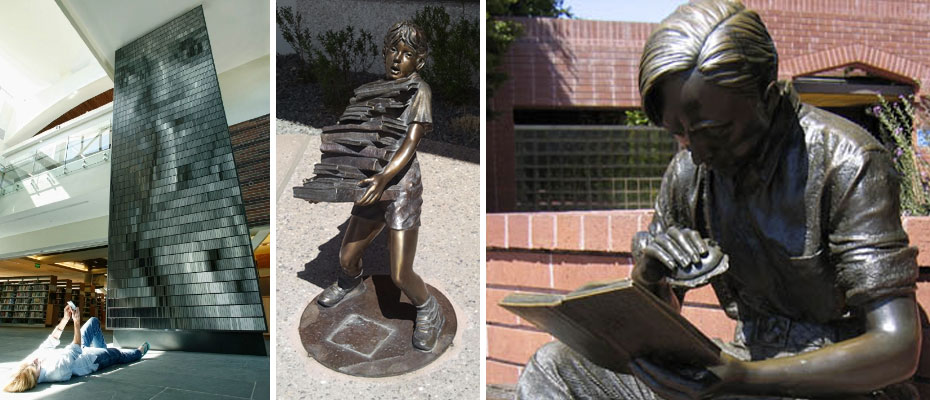
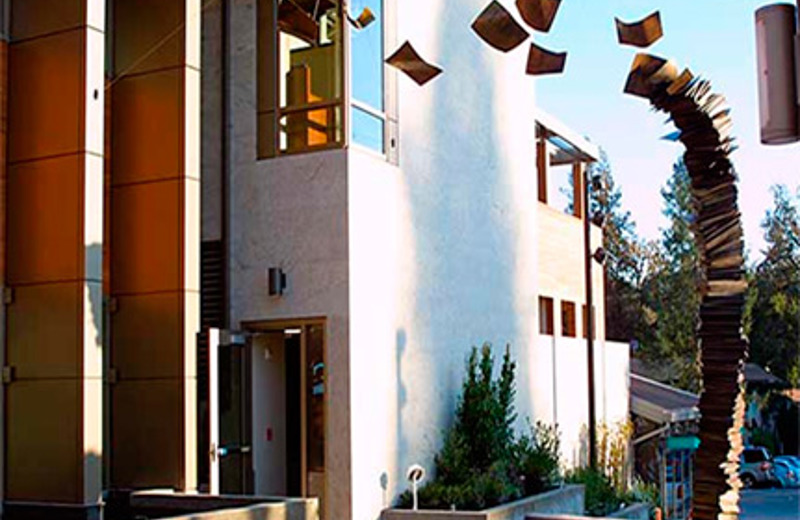
Some work is beautiful, but sends an unhelpful message (left). Some hints at the awful weight of knowledge contained within the building (centre). Or invites the visitor to get absorbed in a book (right).
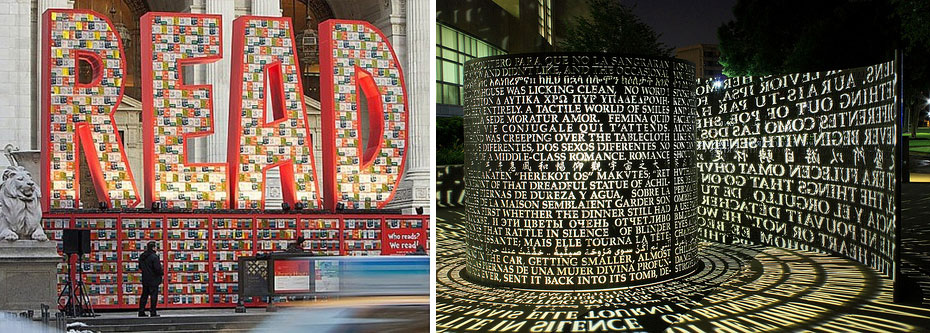
Artists often lean on text instead of interpreting the idea of reading - and this approach can look like a set of stern instructions rather than an invitation. Other artists have used words in more resonant and thoughtful ways.
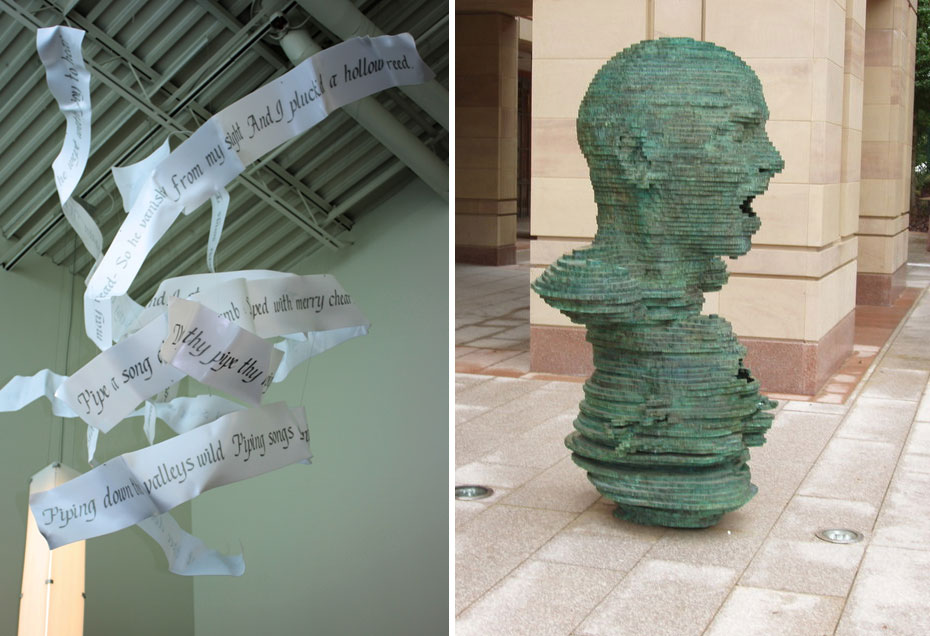
And embodied poetry as the foundation on which to build a new interpretation of the power of words. (left). Some artists use the opportunity of being sited with a library to explore the imaginative experience and the human condition through sculpture rather than through text (right).
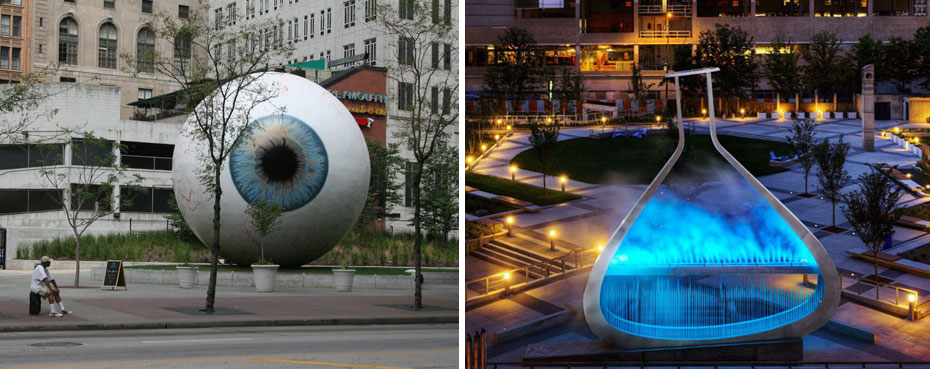
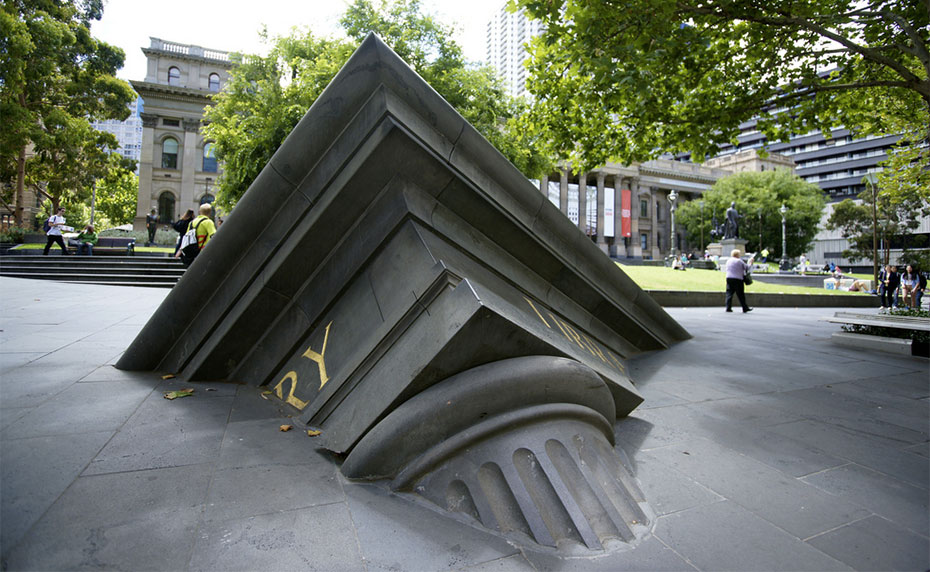
Some artists use the opportunity of scale to make arresting jokes about reading (left). Or about the knowledge stored in libraries put into action (right).
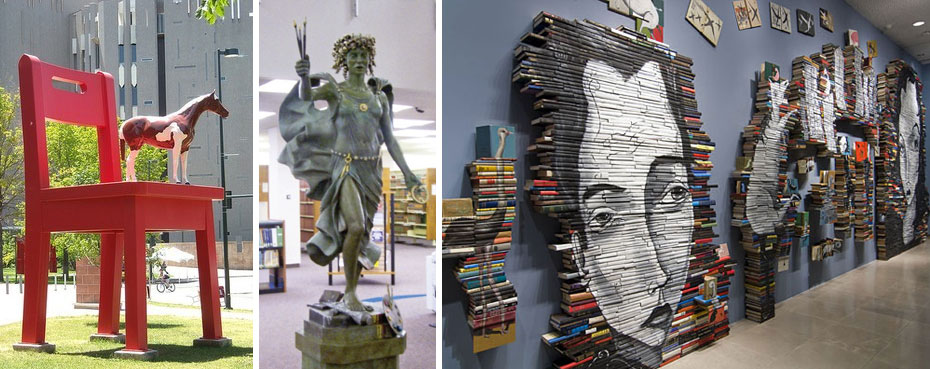
And some public art in front of libraries is truly eccentric, stretching the link with reading and knowledge until it snaps (left). Conventional statuary placed within the library shelves can look incongruous, abstruse and be very hard to dust. (centre). Some art installations deter browsing, rather than encouraging it (right).
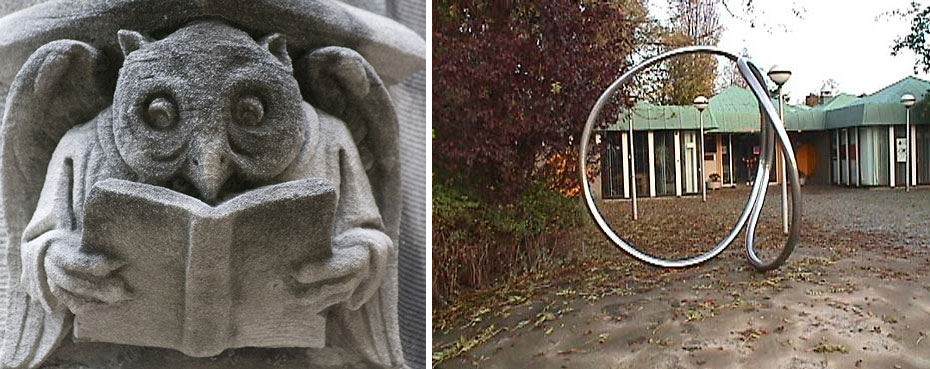
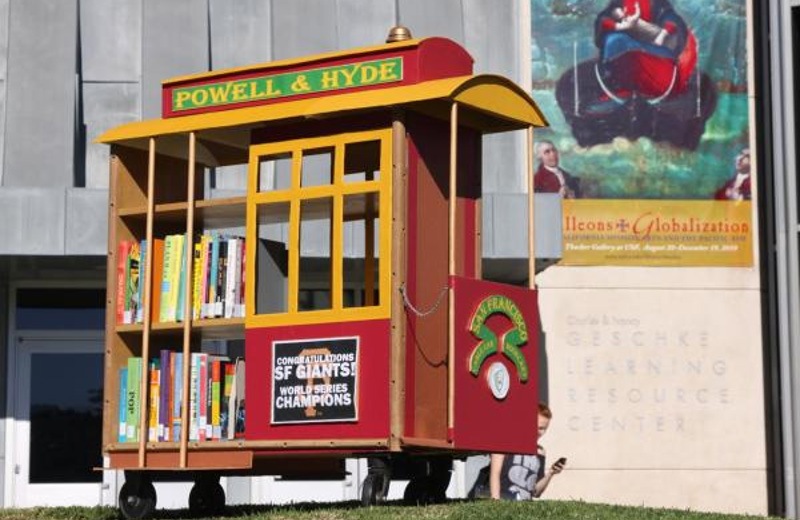
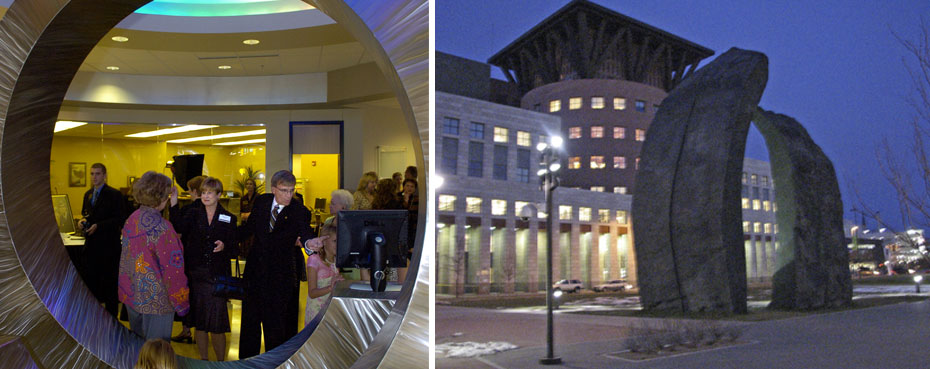
Some library sculpture is instantly loveable and whimsical (left). There is a strong convention at work in many commissions employing the metaphor of the library as a portal (right and below).
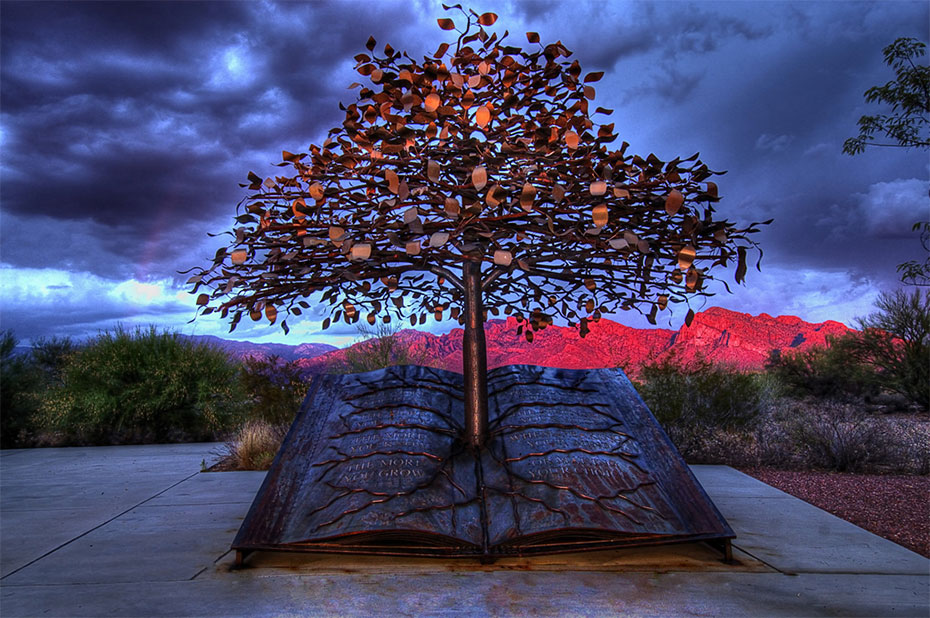
But the image that seems to provide most inspiration to artists who make work for library spaces is the tree of knowledge .